Well, to put it simply... Yes.
But of course it's more complicated than that...
Since the dawn of recreational whiskey in the 13th century, distillers and imbibers alike have used various different drinking vessels from which to enjoy their drams.
In the earliest recorded history, the cup used was called a "quaich", pronounced, "kway-k" as in "earthquake". Quaich comes from a Gaelic word which simply means "cup".
It is an odd looking drinking vessel by today's glass standards. In fact, it wasn't made of glass at all. It was made of wood and it bore more resemblance to a bowl than to a cup.
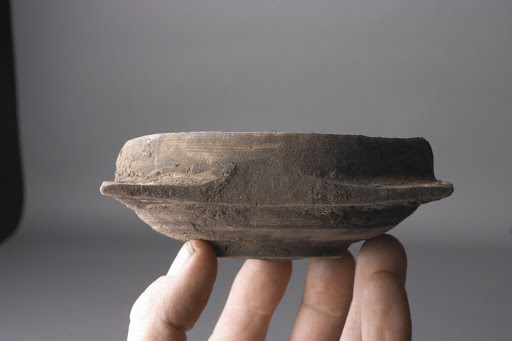
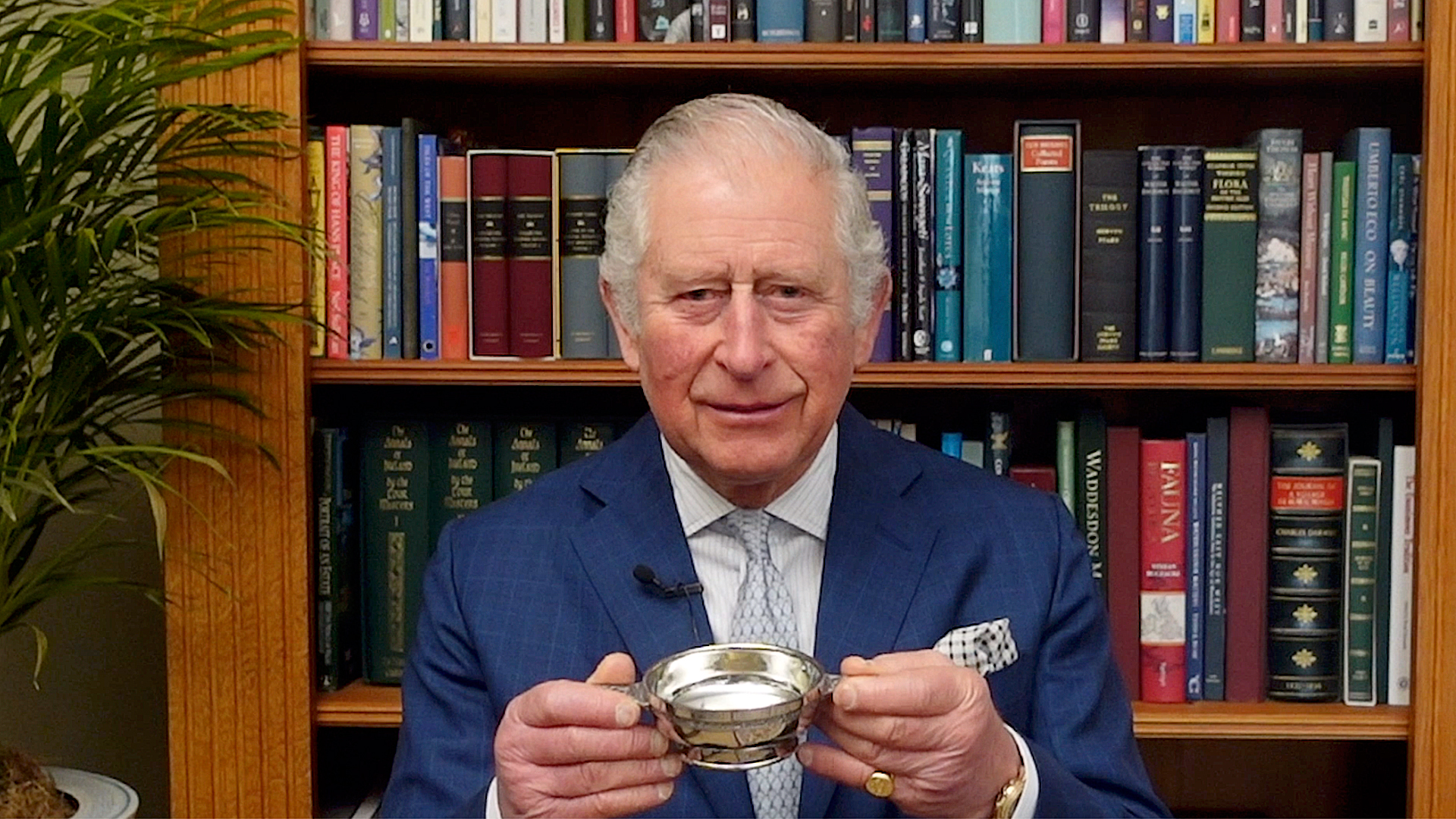
A "Quiachfull" is a cup-full of whiskey commonly served at the beginning and end of social events.
Today you may still see a quiach or two in Irish, Scottish and English events, but often times they are made of silver or stainless steel rather than the original wood (or even stone) that would have been used in the earliest days.
This gradual change from wood to silver eventually changed into glass around the 19th century and the shape also changed to that of a modern cup. This happened for various reasons... not least of which was the reduced cost of production and wider market appeal.
Since then, glassblowers have been crafting different styles of glassware which have been designed to maximize the drinking experience.
There are rocks glasses, highball glasses, copitas, speys, stolzles, wine glasses, custom glasses...
There those with bulbs and those without.
..those with stems and those without.
...those with style and those without.
Each glass excels (or lacks) in one or more of the four tasting arenas:
Appearance / Color- How the whisky "looks" including color, viscosity, depth and other factors.
Nose - How the whisky "smells", including intensity, distinctive aromas and complexity.
Palate - How the whisky "tastes" and "feels" particularly pre-swallow, including, structure, balance, etc...
Finish - How the whisky "remains" and "hangs" on the palate and olfactory sensors several after the swallow, including intensity, duration, quality, etc...
But with all of the hundreds of varieties of glassware, commercially, one glass has prevailed over them all:
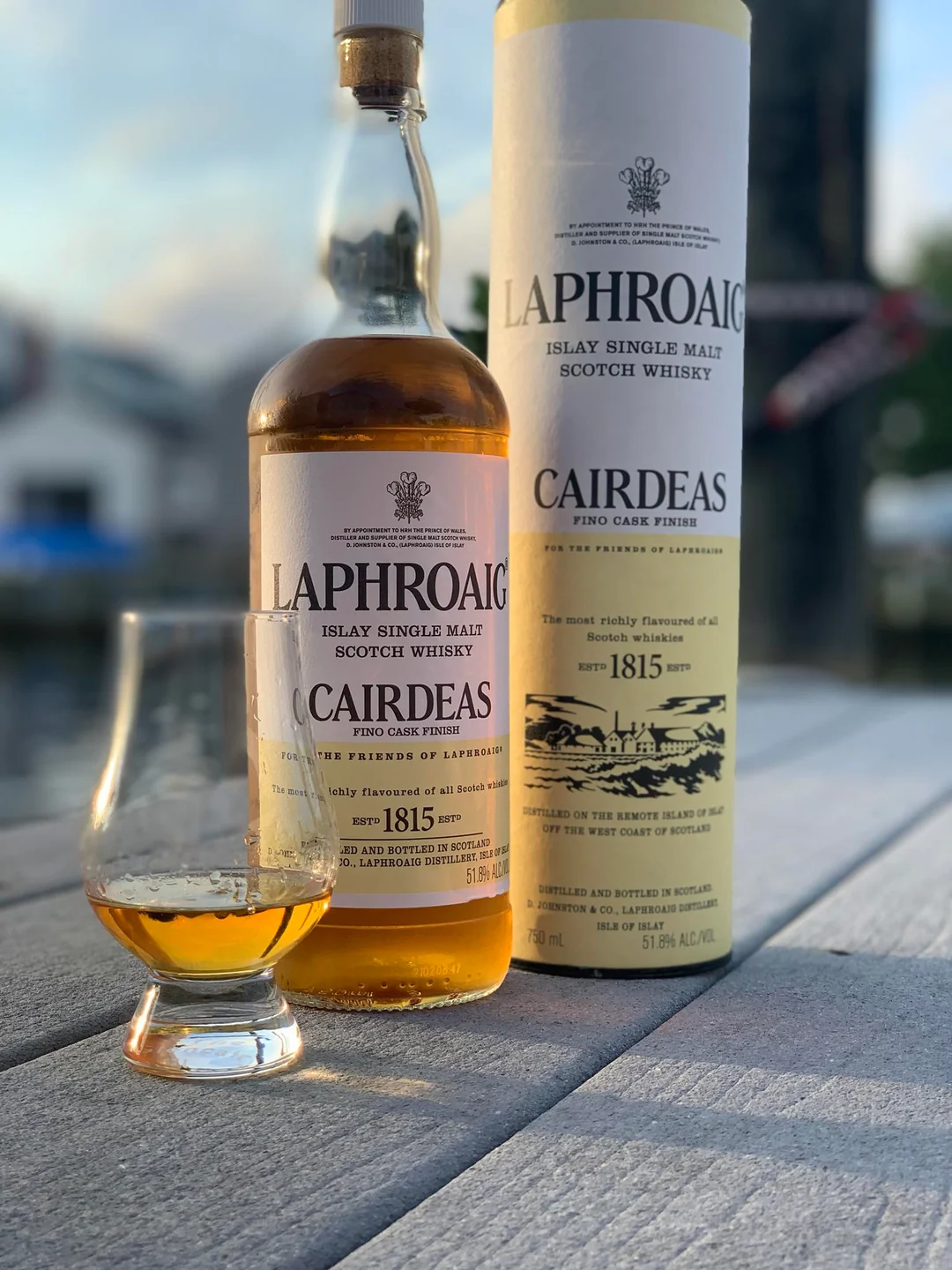
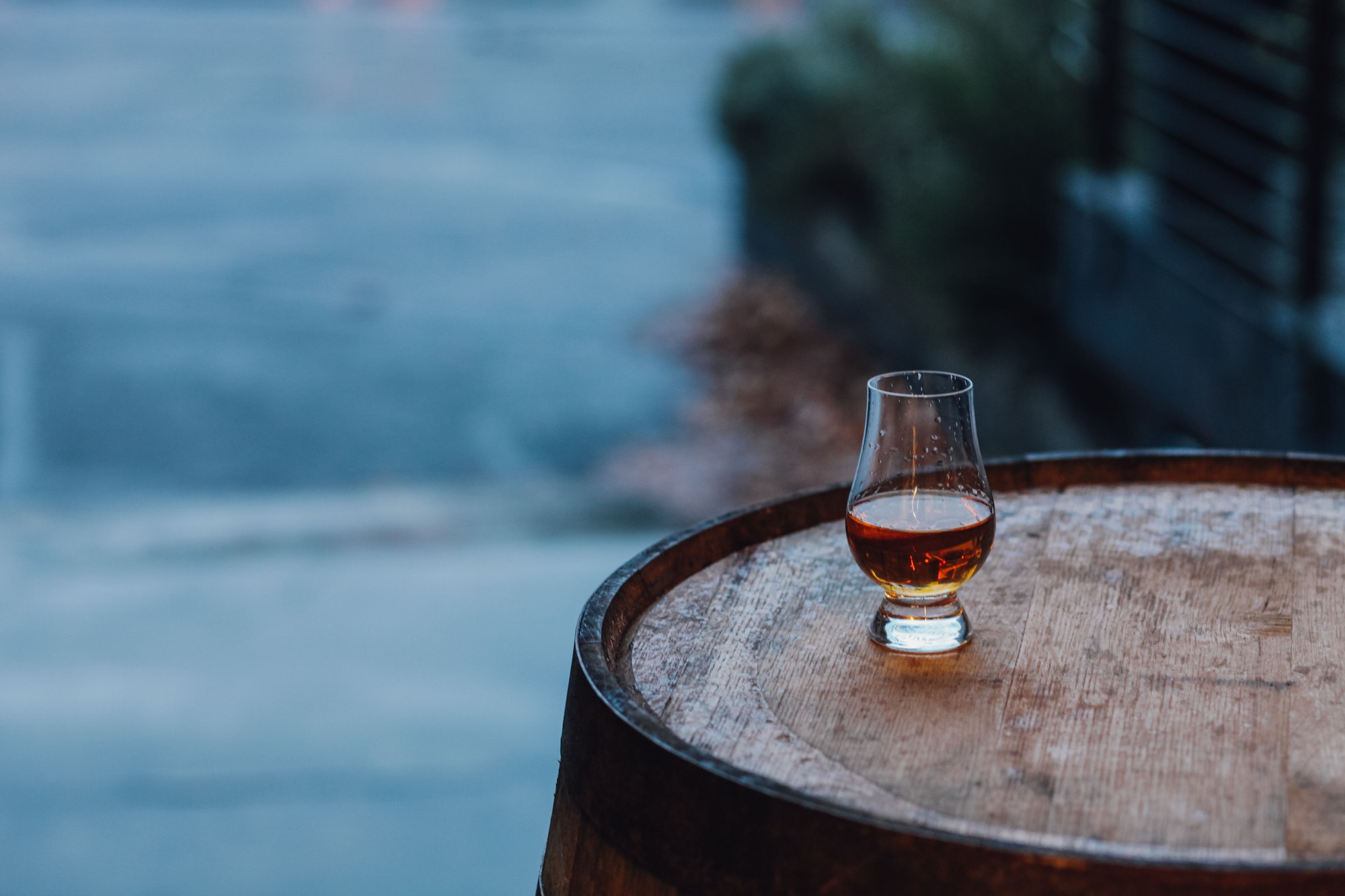
The Glencairn Glass.
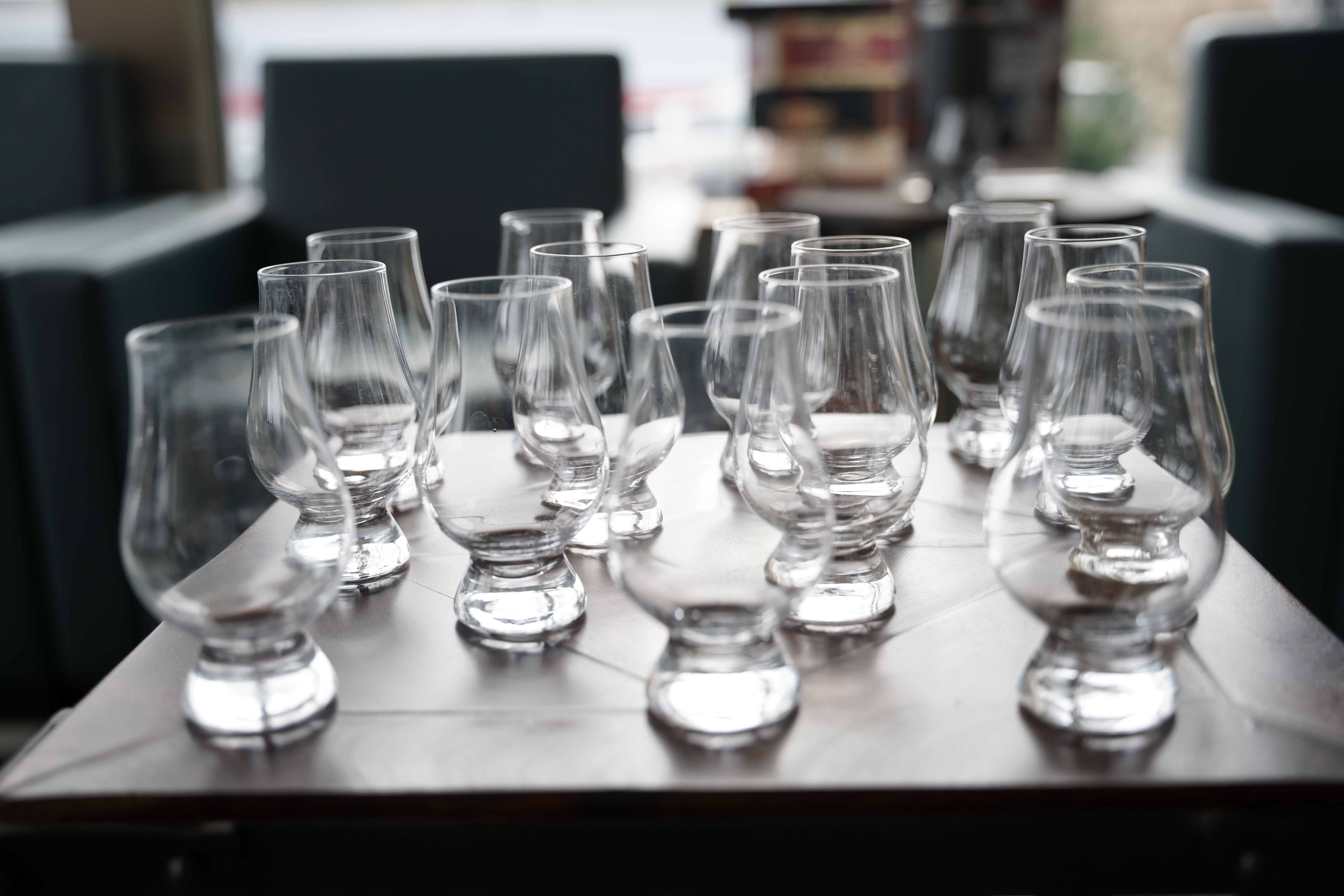
Developed and produced by Glencairn Crystal Ltd, in East Kilbride, Scotland in 1981, this glass has been the international standard for decades.
I began drinking whiskey out of these glasses before I knew just how important it was. It was simply what they used to serve me whiskey in at a local pub.
It wasn't until I began truly learning about the spirit that I understood the importance of a good glass and why the Glencairn was so popular.

To be honest, I have encountered many glasses that do one (or more) things better than a Glencairn, but the sheer saturation of this glass in whisky culture is proof of its kingship.
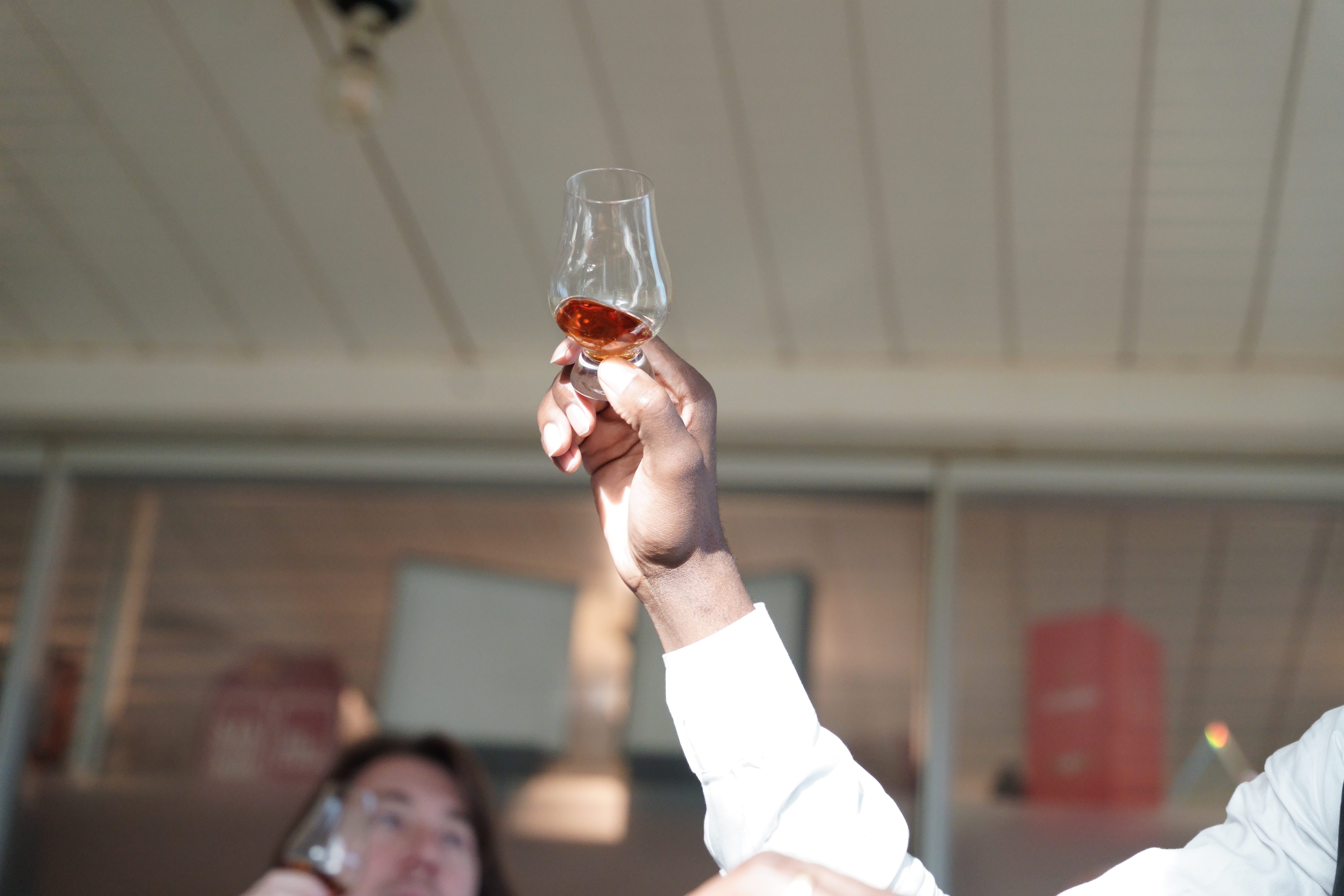
With that said, there are times when a Glencairn is also overkill.
When I'm at a barbecue with friends and family or if I'm just having a casual dram a dive bar.... it is really unnecessary to go demanding or even whipping out your own Glencairn (come on, we've all done it....)
In times like those, the right whiskey glass is the one that is filled with whiskey.
So does your glass matter? The answer is objectively, yes.
...But which one you should choose truly depends on the situation.
Sláinte.